
Loading...
Serving San Marcos, CA and surrounding areas. (442) 515-1809
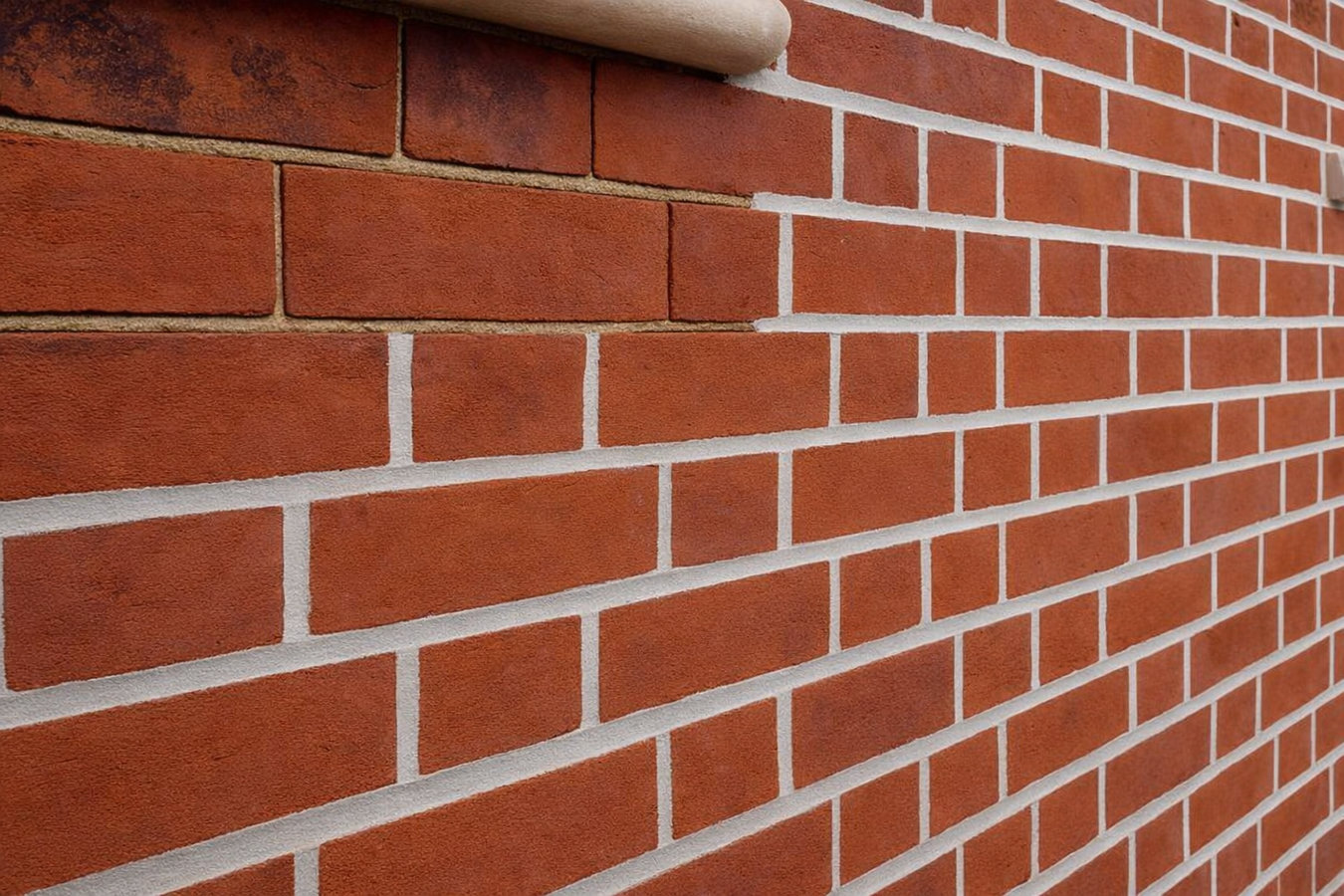
Crumbling mortar between your bricks is not just cosmetic - it is how water gets inside your walls. We replace failing mortar with fresh mortar matched to your existing brickwork, sealing the joints before San Marcos winter rains arrive.
Brick pointing in San Marcos means a mason cuts out old, crumbling mortar to a depth of about three-quarters of an inch and packs fresh mortar into the joints in its place. A small repair - a chimney section or a short garden wall - is typically finished in one day. A larger wall or full exterior pointing job can take two to four days depending on the size of the crew and how much old mortar needs to come out.
Mortar joints are not decorative. They are the seals that keep water from entering your wall. Once those joints crack, soften, or pull away from the brick, water has a path inside - and in San Marcos, where winter rain comes in concentrated bursts after months of dry heat, that matters. Many homes in San Marcos were built between the 1970s and early 1990s, and mortar from that era is now 30 to 50 years old - right at or past its typical service life. If your home was built before 1995 and has never had the joints inspected, there is a reasonable chance some sections are overdue. For walls or chimneys where the underlying structure also needs work, our foundation repair service can assess whether anything beneath the surface requires attention before pointing begins.
The repair is far less expensive than what follows if you ignore it. Water behind a brick wall leads to staining, mold, and eventually structural damage. Getting the joints filled while the bricks are still in good shape is a short, affordable job. Waiting until the damage is visible inside the house means a much larger project.
Stand a few feet from your wall and look at the lines between the bricks. If they look sunken, crumbly, or have gaps where mortar used to be, the joints have lost their strength. Press your finger into a joint - if the mortar feels soft or sandy, it is not sealing anything. This is the most direct sign that pointing is overdue.
Those white or grayish streaks - called efflorescence - are common in San Marcos because the local water supply is high in dissolved minerals. When water seeps through failing mortar and evaporates, it deposits those minerals on the surface. The staining itself is cosmetic, but what is causing it - water moving through your wall - is worth fixing before it causes interior damage.
San Diego County sits near several active fault systems, and minor ground movement is a regular occurrence. If you notice new cracks in mortar joints after a shaking event, that is typically a pointing problem. Cracks running through the bricks themselves - rather than through the joints - may need a structural assessment, but joint cracks are usually addressed with repointing.
If you have a brick fireplace, chimney, or exterior brick wall and notice water stains, peeling paint, or a musty smell on the interior side, failing mortar joints are a likely cause. This is especially common after San Marcos's winter rain season. If you spot it in January or February, have the exterior joints looked at before the next rainy season arrives.
We perform brick pointing on chimneys, garden walls, retaining walls, brick-veneer exteriors, and outdoor masonry features. The process is the same regardless of location - cut out the failing mortar, clean the joint, pack fresh mortar in layers, and shape it to match the existing joint profile. Mortar strength is matched to the bricks being repaired, not selected at random. Using mortar that is too hard for the brick is one of the most common mistakes in this trade - it causes the brick faces to chip and flake within a few years. For homeowners who want the brick surface itself evaluated at the same time, our tuckpointing service covers joint restoration with additional color-contrast finishing for walls where the original joint profile has been lost.
Scheduling before the rainy season is the most common reason homeowners contact us for brick pointing. San Marcos gets most of its annual rainfall between November and March, often in concentrated bursts. Properly sealed joints mean that rain has no path through the wall - which protects your interior and prevents the mineral staining that shows up on brick faces after wet winters. If your property is in an HOA community, we can assist with the documentation your association needs for exterior repair approval. Our tuckpointing service handles the same mortar-restoration work with an additional decorative finish line for walls where a cleaner look is the goal. We provide a written estimate before any work begins.
Suits homeowners with a brick chimney showing open joints, white staining, or visible crumbling at the top or sides - areas where water entry has the most serious consequences.
Suits homeowners with outdoor brick walls where mortar has softened, cracked, or washed out over years of wet-dry cycling in San Marcos's Mediterranean climate.
Suits homeowners with a brick-veneer exterior on a home built before 1995 where the original mortar joints are now at or past their expected service life.
Suits homeowners who have noticed new cracks in mortar joints following ground movement or a seismic event in San Diego County.
San Marcos's Mediterranean climate - dry summers, wet winters with periodic concentrated rain - is hard on mortar joints in a specific way. The wet-dry cycle repeats every year: joints absorb moisture during winter rain events, then dry out and contract during months of summer heat. Over many seasons that movement slowly breaks mortar down. North-facing walls that stay damp longer after rain tend to show this wear first. Many homes in San Marcos were also built between the 1970s and early 1990s, and mortar from that era is now at or past its service life. The Brick Industry Association sets the technical standards for mortar mix strength relative to brick type - a detail that matters more in older homes where the original bricks may be softer than modern equivalents.
The hard water common throughout San Diego County also plays a role. The mineral content of local tap water is higher than in many parts of the country, which means the white mineral staining that shows up on brick faces after rain - efflorescence - tends to be more pronounced here. Once joints are properly sealed, that staining stops because water no longer has a path through the wall. Homeowners in San Elijo Hills and Vista deal with the same water quality and mortar wear patterns, and we carry the same approach to mortar-strength matching across all of our North County projects.
We respond within one business day. A few phone photos of the affected area are usually enough to start the conversation - you do not need to know precise measurements or describe the problem in technical terms.
A mason visits your property, walks the affected area with you, and checks the condition of the existing mortar and bricks. This visit is free, and you will leave it with a clear picture of what needs to be done and a written estimate that breaks down the scope and cost.
Once you agree on scope and price, we set a start date. If your home is in a San Marcos HOA community, we can provide the documentation your association needs for approval. Build in one to two weeks for that process if it applies.
The crew removes old mortar, cleans the joints, and packs fresh mortar in layers. Most residential jobs are done in one to two days. After the work, keep the new joints dry for 48 hours - avoid sprinklers or hose water near the freshly pointed area during that window.
We will walk your property, explain exactly what needs to be done, and give you a written quote - no obligation and no sales pressure.
(442) 515-1809We assess the existing bricks before selecting mortar. Using a mortar that is too hard for older bricks is one of the most common mistakes in this trade - it causes brick faces to chip and flake within a few years. Matching mortar strength to brick hardness is what separates a repair that lasts decades from one that creates new damage.
Many San Marcos planned communities require exterior modification approval before visible repair work begins. We are familiar with this process and can provide your HOA with the documentation they need to approve the job quickly - reducing the back-and-forth and getting your project scheduled faster.
We schedule brick pointing jobs ahead of San Marcos's November-to-March rain window whenever possible. Sealed joints before the wet season means water has no path into your walls during the months when rain falls hardest and most quickly.
You receive a clear, written breakdown of the scope and cost before anyone picks up a grinder. The price we quote is the price you pay - no line items added after the fact and no surprises on the final invoice.
Brick pointing is a straightforward job when it is done right - the right mortar, the right depth, the right timing relative to the weather. Those details are what keep a repair looking good and performing for 25 to 50 years rather than failing in a few seasons.
For permit questions, contact the City of San Marcos Building Division. Technical standards for mortar and brick compatibility are published by the Brick Industry Association.
If water from failing mortar joints has reached your foundation, we assess and repair the structural damage before it spreads.
Learn MoreMortar joint restoration with a two-color finish technique that sharpens the look of walls where the original joint profile has been lost.
Learn MoreMost jobs are completed within a week of booking - call now to lock in your spot before fall fills the calendar.